What is Freight Forwarding? Everything Importers and Exporters Should Know
In today’s globalised economy, the movement of goods across international borders has become a fundamental part of trade. Whether it’s a small business exporting products or a large corporation managing a complex supply chain, freight forwarding plays a vital role. But what exactly is freight forwarding, and why is it so essential in logistics?
This guide will explain everything you need to know about freight forwarding, freight forwarding companies, services, and related concepts such as air freight, sea freight, and the role of companies
What is Freight Forwarding?
Freight forwarding is the process of organising and managing the shipment of goods from one location to another, often across international borders.
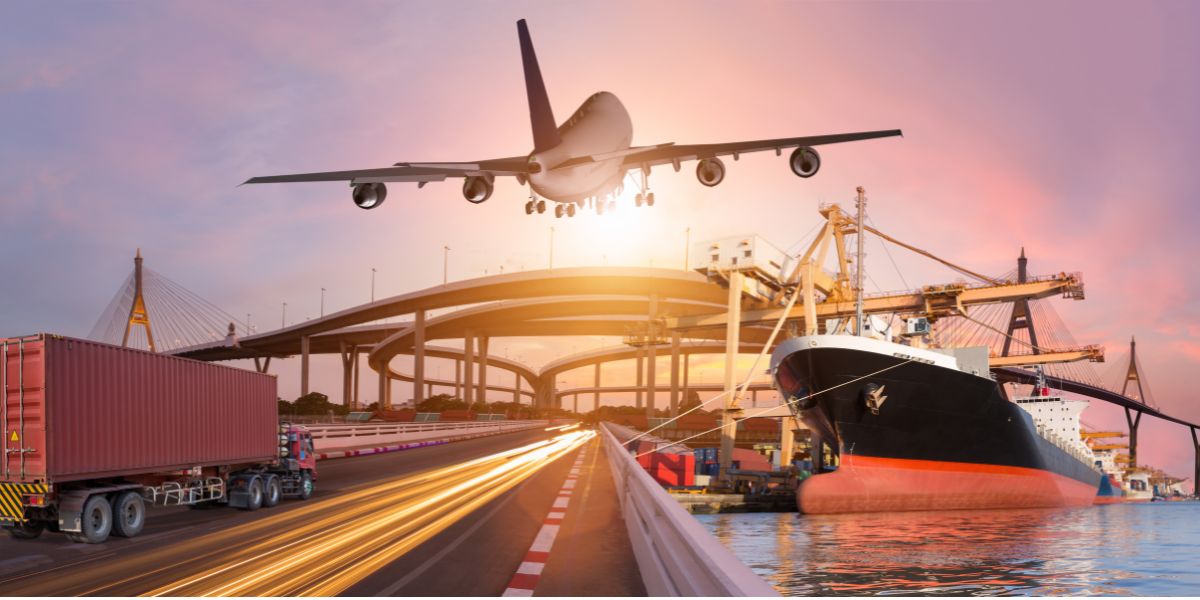
It involves coordinating various modes of transportation, including air freight, sea freight, road, and rail, to ensure goods reach their destination efficiently and safely.
A freight forwarding company acts as an intermediary between the shipper and carriers, handling critical tasks such as customs documentation, export/import compliance, cargo insurance, and route planning.
Freight forwarders streamline complex logistics, saving businesses time, reducing costs, and minimising the risk of delays or damage. Companies like Amexpro Global Shipping provide end-to-end solutions, offering expertise and global networks that simplify international trade.
By managing the entire shipping process, freight forwarding allows businesses to focus on growth and operations while ensuring smooth, reliable, and timely delivery of goods worldwide.
What are the Types of Freight Forwarding
Freight forwarding services cover a wide range of logistics solutions. They are not limited to merely transporting goods but also include planning, documentation, and coordination with various carriers. These services ensure that goods are delivered on time, in perfect condition, and at a reasonable cost.
Some of the essential freight forwarding services include:
Air Freight
Businesses rely on fast and reliable shipping, and Air Freight ensures timely delivery for high-value or perishable goods, with freight forwarders managing logistics, customs, and documentation to maintain efficient global supply chains and smooth operations across domestic and international routes.
Sea Freight
Sea freight, or ocean freight, involves shipping goods via cargo ships. It is a cost-effective solution for transporting large volumes of goods.
While sea freight takes longer than air freight, it is preferred for bulk shipments, heavy machinery, and non-urgent cargo. A freight forwarding company ensures that goods are loaded, tracked, and delivered safely.
Road and Rail Freight
For domestic or regional shipments, road and rail freight are common.
Freight forwarding services include trucking, rail transport, and sometimes multimodal solutions that combine different modes of transportation for efficiency.
Customs Clearance
Navigating customs regulations can be complex. Freight forwarding companies handle all the necessary paperwork, including import/export documentation, duties, and taxes.
This ensures that goods do not face delays or legal issues at borders.
Warehousing and Storage
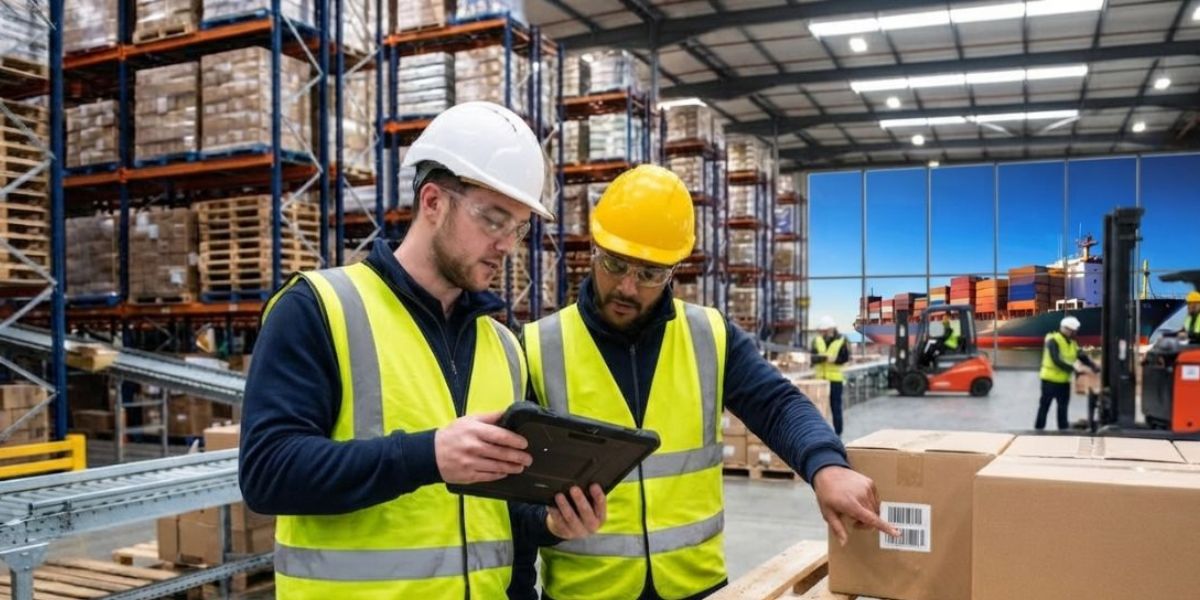
Freight forwarders often provide warehousing solutions for the temporary storage of goods before they reach their final destination.
This service is particularly useful for businesses managing inventory or planning phased shipments.
Packaging and Consolidation
Proper packaging ensures that goods remain safe during transit. Freight forwarding services may include packaging, labelling, and consolidating shipments to reduce shipping costs.

How Does Freight Forwarding Work?
Understanding how freight forwarding works helps businesses see why it’s so valuable.
The process typically involves several stages:
Step 1: Planning the Shipment
Planning the Shipment involves selecting the most efficient transportation method, determining optimal routes, scheduling deliveries, and coordinating logistics. Freight forwarders ensure goods move safely, cost-effectively, and on time, tailored to each client’s needs.
Step 2: Booking and Documentation
After confirming the shipment plan, the forwarder books transport with carriers and handles all required export documents. They also prepare paperwork for customs clearance at both the origin and the destination.
Step 3: Cargo Collection and Packaging
The goods are picked up from the supplier or manufacturer and transported to the freight forwarder’s warehouse for inspection, packaging, and labelling.
Step 4: Customs Clearance
Freight forwarders work with customs authorities to ensure all regulations are met and that duties, taxes, or tariffs are properly paid.
Step 5: Shipping and Tracking
The goods are shipped by air, sea, or land. Throughout the journey, the forwarder monitors the shipment and provides regular tracking updates to the client.
Step 6: Delivery
Once the cargo arrives, the forwarder handles import customs clearance and arranges delivery to the final destination.
Why Freight Forwarding Matters
Freight forwarding is far more than simply transporting goods from one location to another; it is a vital component of global trade that ensures businesses operate efficiently and reliably across international markets.
Without the expertise of freight forwarders, companies would face significant challenges in navigating complex customs regulations, arranging optimal shipping routes, and preparing accurate documentation — all of which can cause costly delays or even legal complications.
Freight forwarders act as logistics experts, coordinating multiple transportation modes, managing shipment schedules, and handling risks associated with cargo loss or damage. Their services streamline the supply chain, allowing businesses to focus on growth rather than operational headaches.
Moreover, freight forwarders like to provide tailored solutions, combining industry knowledge, global networks, and technology to make international shipping predictable, safe, and cost-effective. In today’s competitive market, effective freight forwarding is essential for expanding global reach and maintaining smooth trade operations.
Final Thoughts on Freight Forwarding
Freight forwarding is a cornerstone of international trade, simplifying complex logistics and ensuring goods reach their destinations efficiently and safely. From air freight to sea freight, and from customs documentation to insurance, freight forwarders like Amexpro Global Shipping provide indispensable support for businesses looking to expand globally.
By understanding what freight forwarding is, the role of a freight forwarding company, and the types of freight forwarding services available, businesses can make informed decisions and leverage professional logistics expertise for smoother operations.
Whether you are a small business shipping products overseas or a large enterprise managing multiple supply chains, partnering with a professional freight forwarder is crucial for cost efficiency, reliability, and peace of mind.